Inversion with so and such
Inversion with so and such
Use formal inversion after fronted so + adjective and such + be to intensify a quality or degree.
Compare these sentences:
The proposal was so poorly designed that the pilot failed.
So poorly designed was the proposal that the pilot failed.
Both describe the same result. The second brings the degree of the problem to the front and uses inversion: the verb comes before the subject. This creates emphasis and gives the sentence a more formal, literary or rhetorical tone.
What you will learn
By the end of this lesson, you will be able to:
- form emphatic inversion with so + adjective or adverb;
- use such + be + noun phrase to emphasise the scale or nature of something;
- choose the right verb for the inversion, including do-support when needed;
- keep the result clause after that in normal word order; and
- recognise when this structure sounds natural and when it sounds overdramatic.
1. Inversion with so
Use this structure when you want to emphasise an adjective or adverb:
So + adjective/adverb phrase + finite verb + subject + rest of clause + that + result
The finite verb is the verb that carries the tense or modal meaning. It moves before the subject.
With be
The figures were so inconsistent that the panel requested a fresh audit.
So inconsistent were the figures that the panel requested a fresh audit.
The need for shelter was so urgent that local schools opened overnight.
So urgent was the need for shelter that local schools opened overnight.
When the original sentence uses be, move it in front of the subject. The verb still agrees with that subject: was the need, but were the figures.
With another auxiliary
If the original clause already has an auxiliary, move that auxiliary before the subject:
The archive had been maintained so carefully that the documents remained legible.
So carefully had the archive been maintained that the documents remained legible.
The policy was implemented so quickly that frontline staff received no briefing.
So quickly was the policy implemented that frontline staff received no briefing.
The rest of the verb phrase stays after the subject: had the archive been maintained, was the policy implemented.
With a main verb and no auxiliary
If the original sentence has a simple present or past verb with no auxiliary, use do, does or did:
The witness described the sequence so clearly that the jury reconsidered its view.
So clearly did the witness describe the sequence that the jury reconsidered its view.
The news spread so rapidly that the organisers had to issue a statement.
So rapidly did the news spread that the organisers had to issue a statement.
After do, does or did, use the base form of the main verb:
So rapidly did the news spread …
Not: So rapidly did the news spreaded …
2. Inversion with such
Use such to emphasise a noun or noun phrase. A common pattern is:
Such + be + subject + that + result
Here, such comes before the verb be, and the subject follows the verb.
The scale of the reconstruction was such that the museum had to close for a year.
Such was the scale of the reconstruction that the museum had to close for a year.
The delays were such that several speakers had already left.
Such were the delays that several speakers had already left.
The verb agrees with the subject: such was the scale, but such were the delays.
In the inverted version, such points to the degree or nature of the noun phrase that follows. It often corresponds to a non-inverted sentence with be such that:
The response was such that the hospital had to open a second ward.
Such was the response that the hospital had to open a second ward.
The structure is especially useful when the noun phrase names the thing whose scale or effect matters: the pressure, the demand, the confusion, the consequences, the force.
3. Choosing between so and such
As a quick guide, use so before an adjective or adverb, and such with a noun phrase.
| Focus | Inverted structure | Example |
|---|---|---|
| An adjective | So + adjective + be + subject | So severe was the shortage that the clinic postponed non-urgent appointments. |
| An adverb | So + adverb + auxiliary/do + subject + verb | So sharply did costs rise that the council revised its budget. |
| A noun phrase | Such + be + subject | Such was the demand that the waiting list doubled. |
Compare:
The backlog was so large that staff worked weekends.
So large was the backlog that staff worked weekends.
The backlog was such that staff worked weekends.
Such was the backlog that staff worked weekends.
For a more explicit noun-based version, you could also write:
Such was the size of the backlog that staff worked weekends.
The ordinary, non-inverted forms remain useful too:
The room was so quiet that we could hear the clock.
It was such a quiet room that we could hear the clock.
The inverted pattern shifts the emphasis to the opening phrase; it is not required simply because a sentence contains so or such.
4. The that-clause keeps normal word order
Inversion happens in the first clause. The result clause introduced by that keeps ordinary subject–verb order:
So exhausted was he that he went straight to bed.
Not: So exhausted was he that went he straight to bed.
Such was the pressure that the board postponed the decision.
Not: Such was the pressure that did the board postpone the decision.
Although the first clause may look like a question because the verb precedes the subject, it is a statement. Do not add a question mark unless the whole sentence is a question.
5. How to build the sentence
To convert a regular so … that sentence into emphatic inversion:
- Find the adjective or adverb modified by so.
- Move so + that adjective/adverb phrase to the beginning.
- Put the first finite verb before the subject. If there is no auxiliary, add do, does or did.
- Keep the rest of the first clause and the that-result clause in normal order.
The review was so thorough that it uncovered several inconsistencies.
So thorough was the review that it uncovered several inconsistencies.
The organisers responded so quickly that the disruption lasted only a few minutes.
So quickly did the organisers respond that the disruption lasted only a few minutes.
To use such:
- Identify the noun phrase whose scale or nature you want to emphasise.
- Put such before the finite form of be.
- Place the subject after be, then add the result clause.
The consequences were such that the committee reopened the investigation.
Such were the consequences that the committee reopened the investigation.
6. Register: emphasis, not decoration
Inversion with so and such is more emphatic than the ordinary word order. It is most at home in literary narration, speeches and carefully shaped formal prose. It can make a sentence memorable, but repeated use may make a paragraph sound theatrical.
Use the inverted form when the degree or result deserves special attention. If you simply want to state a fact, the ordinary order is usually clearer:
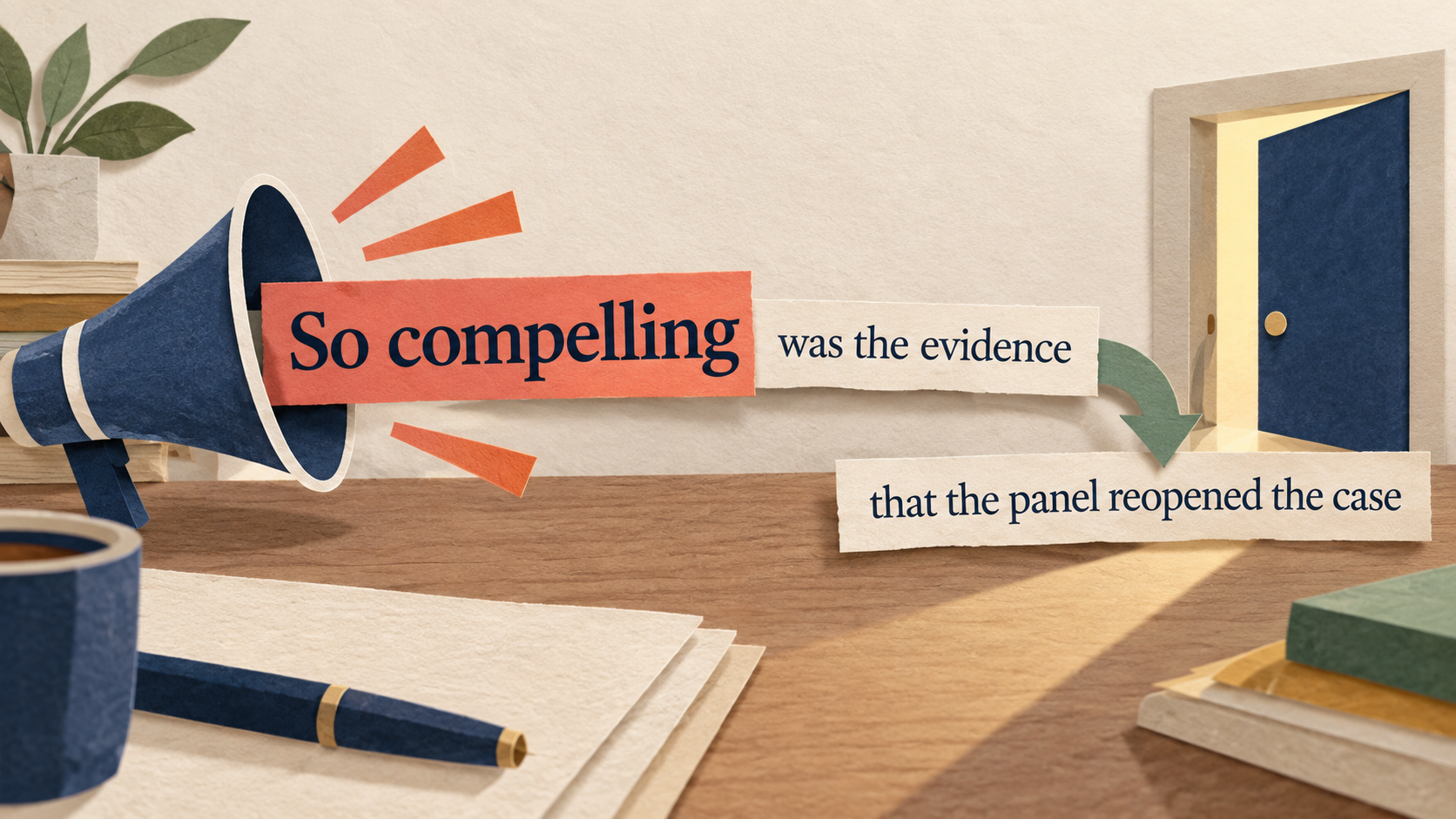
So compelling was the evidence that even the sceptics reconsidered the case.
The evidence was so compelling that even the sceptics reconsidered the case.
Both are grammatical; the first foregrounds the force of the evidence.
You may also encounter highly marked patterns that place a full phrase such as such a remarkable talent before the verb. They occur in literary English, but the standard patterns in this lesson—So remarkable was her talent … and Such was her talent …—are more reliable models for contemporary formal writing. BBC Learning English’s explanation of inversion includes an example of this more marked pattern.
7. Common mistakes
Forgetting to invert
Not: So convincing the explanation was that nobody challenged it.
So convincing was the explanation that nobody challenged it.
Using so where the inverted pattern needs such
Not: So was the demand that the supplier ran out of stock.
Such was the demand that the supplier ran out of stock.
Or, with an adjective:
So high was the demand that the supplier ran out of stock.
Keeping did and changing the main verb’s form
Not: So quickly did the river rose that the warning came too late.
So quickly did the river rise that the warning came too late.
Inverting the result clause as well
Not: Such was the confusion that could nobody agree on the next step.
Such was the confusion that nobody could agree on the next step.
Using inversion in every sentence
Inversion adds weight. In a long explanation, use it selectively and keep ordinary word order for straightforward information.
8. Quick check
Complete each sentence with the correct form.
- So persuasive ______ the speaker that several undecided members changed their votes.
- So quickly ______ the river after the storm that the footbridge was closed.
- Such ______ the demand for appointments that the clinic extended its opening hours.
- Rewrite: The conclusion was so unexpected that the reviewers asked for a second analysis.
- Which is correct?
a. Such was the pressure that did the team change its plan.
b. Such was the pressure that the team changed its plan.
Answers
- was — the speaker is singular.
- did — the main verb rise has no auxiliary; use did + rise.
- was — the demand is singular.
- So unexpected was the conclusion that the reviewers asked for a second analysis.
- b — the result clause keeps normal word order.
Further reading
- BBC Learning English: “Inversion 2” — examples of emphatic inversion with so and such.
- Cambridge Dictionary: “Inversion” — an overview of inversion and subject–auxiliary order.
- Cambridge Dictionary: “Such or so?” — the basic distinction between so with adjective/adverb phrases and such with noun phrases.
- British Council: “Intensifiers: so and such” — a review of the ordinary so/such … that result patterns.
Try this structure in a short practice set with instant feedback.
Start practice